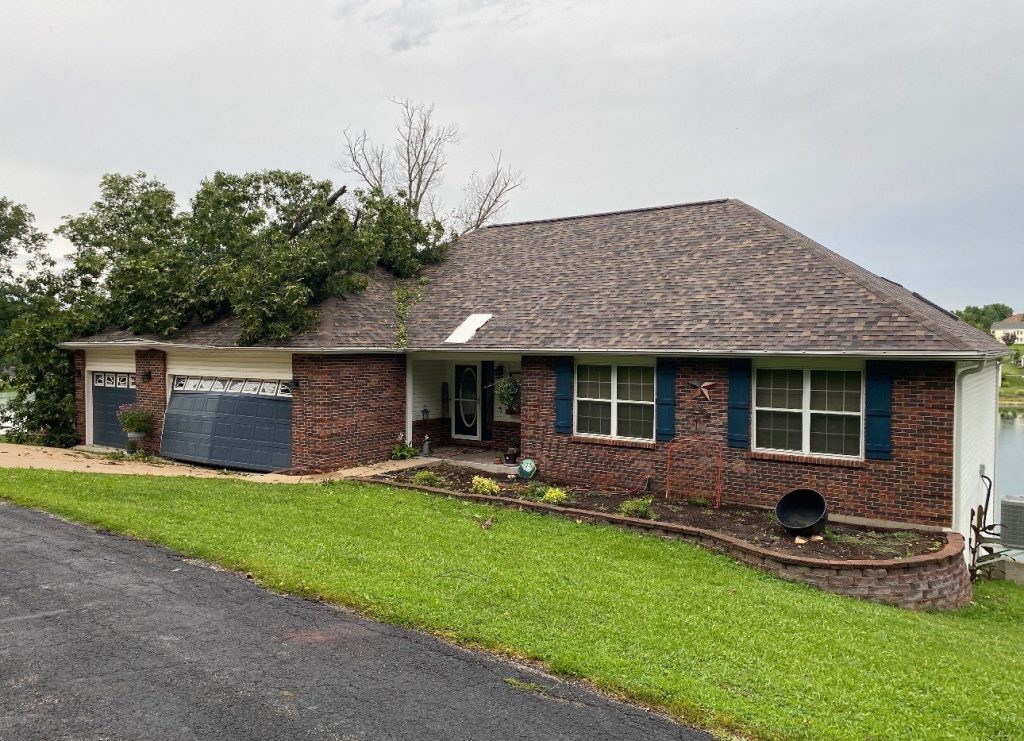
Insurance claim roof restoration is easier to navigate when you know the steps before you are under pressure. After hail, wind, falling branches, or storm-driven leaks, homeowners need answers quickly: Is the roof safe? Is the damage covered? What should be documented? Roof Bros Restoration helps property owners across Missouri, Wisconsin, and Illinois move through the process with clear inspections, practical documentation, and restoration guidance.
Step 1: Schedule a Professional Roof Inspection
The first step is understanding what happened to the roof. A professional inspection should identify storm-related damage, age-related wear, urgent leak risks, and any connected gutter, siding, or interior concerns. This is not the same as a quick estimate. The inspection should create a factual record you can use when speaking with your insurance carrier.
Roof Bros Restoration documents visible damage with photos and notes. We look at shingles, flashing, vents, ridge caps, valleys, gutters, downspouts, and attic clues where accessible. If emergency protection is needed, our emergency services team can help reduce additional water intrusion while the claim process moves forward.
Step 2: Contact Your Insurance Carrier
Once you have reason to believe storm damage occurred, contact your insurance carrier and open a claim according to your policy instructions. The carrier will assign a claim number and usually schedule an adjuster inspection. Keep that claim number handy, along with the date of loss, photos, inspection notes, and any temporary repair receipts.
Roof Bros Restoration does not determine coverage and does not act as your insurance company. Our role is to explain the roof condition, provide restoration information, and help you understand whether the approved scope matches the damage found on site.
Step 3: Prepare for the Adjuster Inspection
The adjuster inspection is an important moment. When possible, have your contractor present or available so roof conditions can be reviewed clearly. This helps reduce missed items, especially when damage involves multiple slopes, accessories, flashing, gutters, or interior leak points.
What to have ready
Gather storm dates, inspection photos, interior leak photos, maintenance records, and any temporary repair invoices. If neighbors had confirmed hail or wind damage from the same event, mention it. Shared neighborhood context can help establish the storm pattern without exaggerating the claim.
What the adjuster reviews
The adjuster will review visible damage and prepare an estimate based on policy coverage and carrier guidelines. They may approve repairs, replacement, or additional review. If something seems incomplete, the scope can often be discussed with documentation.
Step 4: Review the Scope of Work
After the adjuster completes the review, you should receive a claim estimate or scope. This document may include line items for roofing materials, labor, flashing, tear-off, underlayment, ventilation, gutters, or other related repairs. Read it carefully and compare it against the contractor inspection findings.
Our insurance claims support focuses on this comparison. If the scope appears to miss required restoration work, we can help identify the gap and provide documentation for the carrier conversation. Good restoration depends on installing a complete roof system, not simply matching the cheapest line item.
Step 5: Choose the Right Restoration Plan
Once coverage and scope are clear, the project can move into planning. Some claims result in targeted roof repair. Others require full roof replacement. The right plan depends on the approved scope, roof condition, code requirements, material availability, and any manufacturer specifications.
This is where clear communication matters. You should understand your deductible, the initial payment, any recoverable depreciation, the work schedule, material choices, and what happens if hidden decking damage is found after tear-off.
Step 6: Complete the Work and Final Documentation
During restoration, Roof Bros Restoration keeps the process organized and focused on property protection. We prepare the work area, complete the approved scope, address discovered issues, clean up the site, and provide final documentation as needed. If the carrier requires completion photos or invoices, those should be submitted promptly.
For Residential and Commercial properties, final documentation can matter for future claims, property records, warranty questions, and resale. Keep a copy of your contract, claim scope, final invoice, warranty information, and photos.
Local Help After MO, WI, and IL Storms
Roof Bros Restoration serves homeowners and property managers in Missouri, Wisconsin, and Illinois. Storm systems move differently across each market, but the need for careful documentation is the same. Whether you are dealing with hail in St. Louis, wind damage near Madison, or a storm claim around Chicago, we help you move from uncertainty to a practical restoration plan.
Get Help Before Small Damage Becomes Expensive
If you are unsure whether to file a claim, start with an inspection. You will get a clearer view of the roof condition and the information needed to decide your next step.
Request a Free Claim-Related Inspection
If a nearby homeowner was hit by the same storm, refer a neighbor. A timely inspection can help them avoid hidden leaks and missed documentation too.
Insurance Claim Roof Restoration FAQ
Should I call a roofer or my insurance company first?
Many homeowners start with a roof inspection so they know whether there is visible storm damage before opening a claim. If damage is urgent, protect the property first and contact the carrier promptly.
Can Roof Bros Restoration meet with my adjuster?
When scheduling allows, we can review the roof conditions with the adjuster and provide documentation. The insurance carrier still makes coverage decisions.
What if the insurance estimate misses part of the damage?
Additional documentation can often be submitted for review. Photos, inspection notes, and a clear contractor scope help explain what may have been missed.
Do I have to replace my roof if insurance approves it?
If replacement is approved due to covered damage, completing the approved restoration is usually the best way to protect the property and preserve claim documentation. Discuss timing and scope with your contractor and carrier.